Saneesh Stantly: Framing Cinema Through Passion and Perseverance
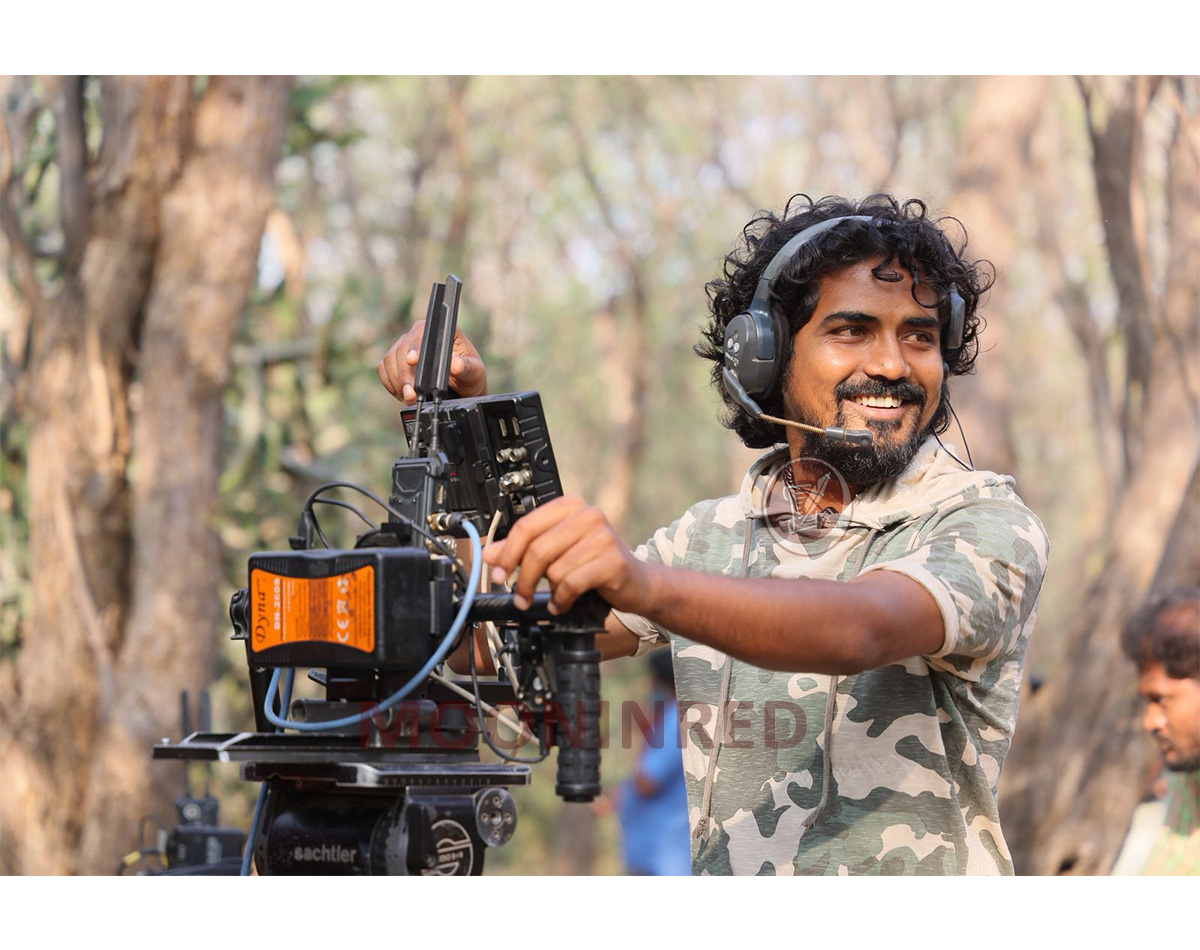
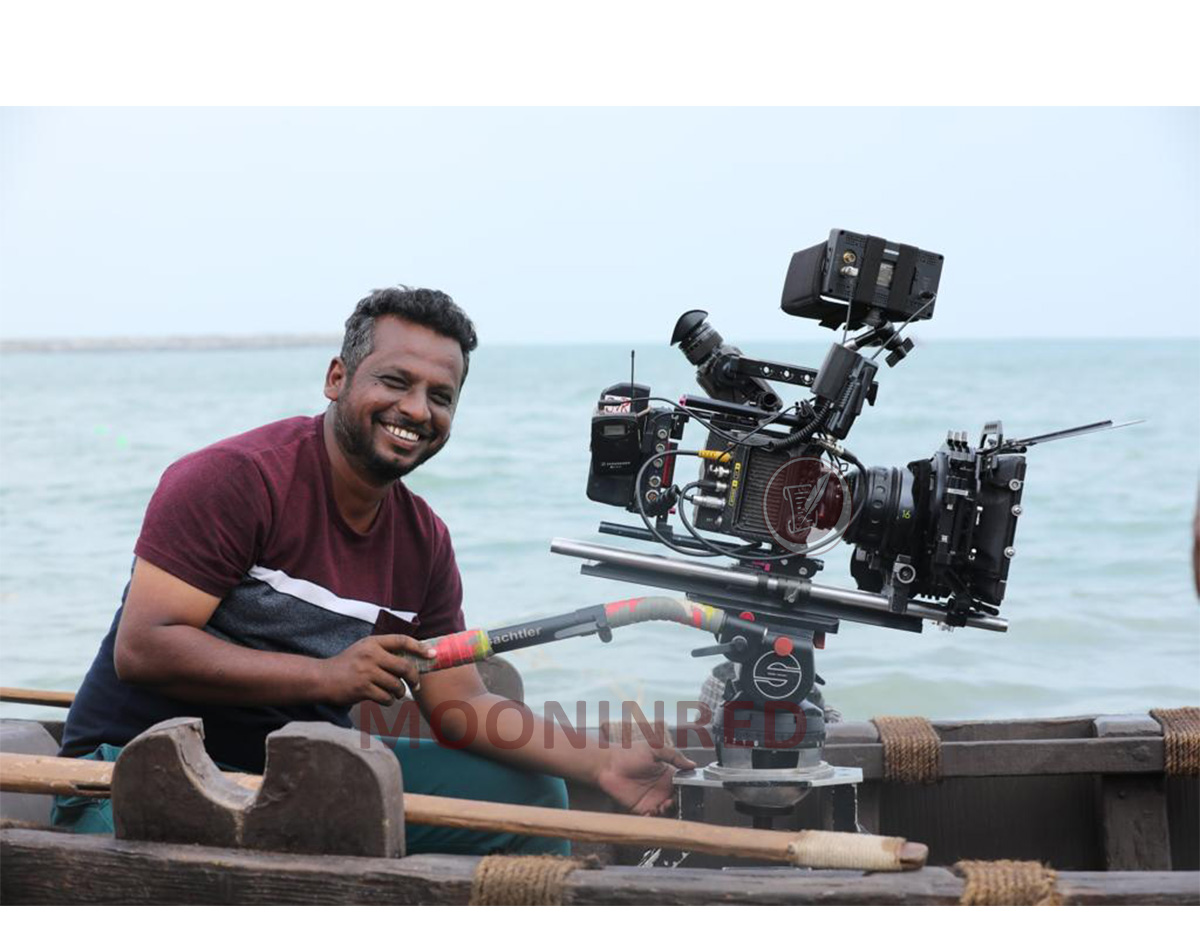
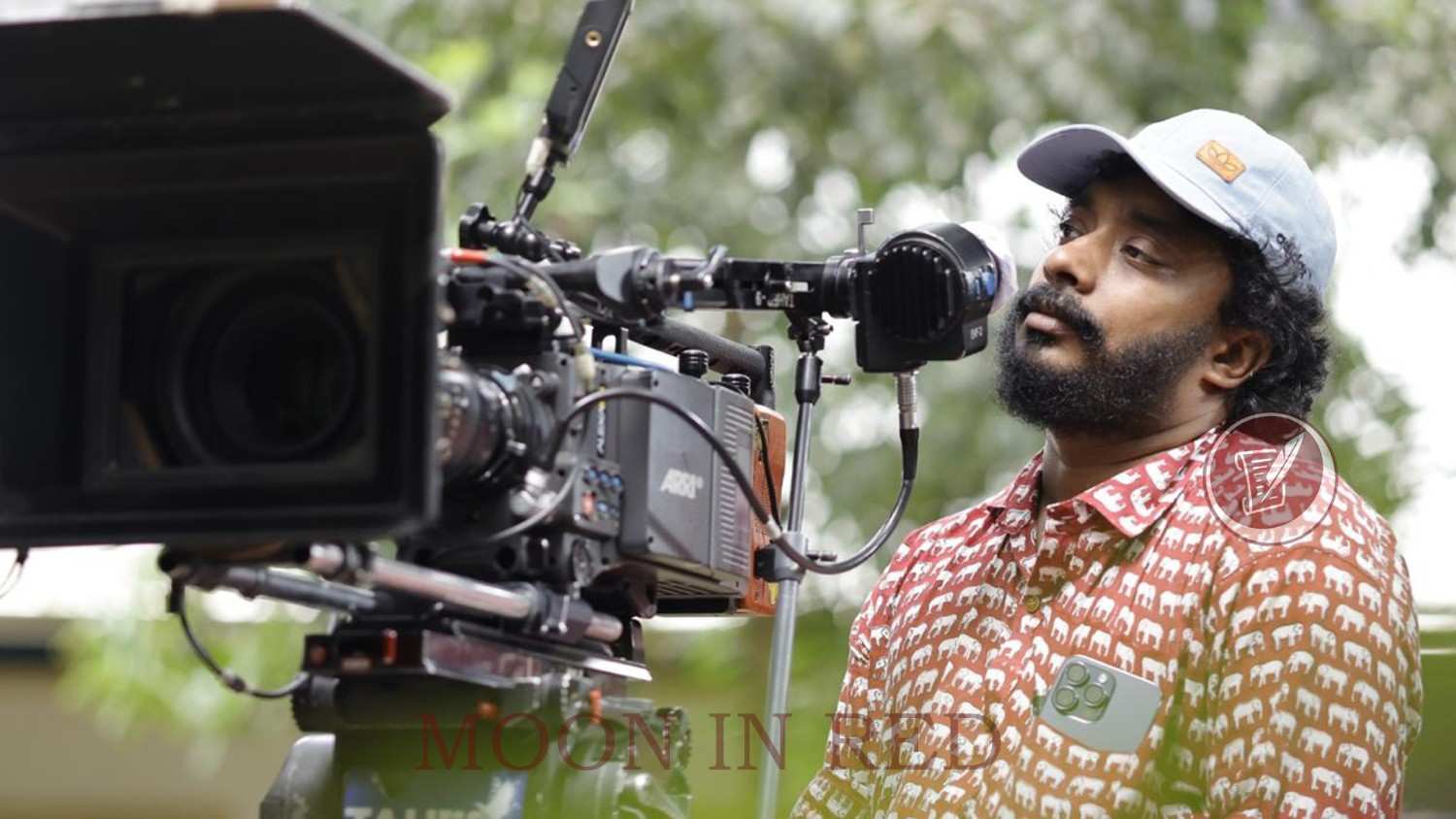
Saneesh Stantly stands as a quiet yet powerful example of how passion, patience and persistence shape a meaningful journey in cinema. Born in Ernakulum, Kerala, Saneesh’s relationship with visual storytelling began not with instant recognition or grand opportunities but with a deep fascination for images, frames and the emotional power of light. From an early stage, he understood that cinema is not merely about telling stories it is about how those stories are seen.
To refine his passion into a profession, Saneesh pursued formal training in cinematography at the Chennai Film Industrial School. It was here that his understanding of visual grammar deepened. Beyond technical knowledge, the institute helped him recognize the discipline, commitment and teamwork required to survive in the film industry. Cinematography, for him, was not just a department it was a responsibility to translate emotions into frames.
One of the most defining chapters of Saneesh Stantly’s career has been his long association with renowned cinematographer Shaji Kumar. Unlike many who move on after working on a few projects, Saneesh chose to stay, observe and grow. He has worked with Shaji Kumar on nearly 20 films, including major projects like Pulimurugan and Odiyan. These experiences exposed him to large-scale productions, complex camera movements and the pressure of delivering visual excellence under demanding conditions.
Working alongside Shaji Kumar was not just about assisting it was about understanding how a cinematographer thinks. From planning shots to adapting on set, Saneesh absorbed lessons that would later define his own style. Even after becoming an independent cinematographer, he continues to work with Shaji Kumar, describing him as his creative comfort zone. According to Saneesh, cinema is never about hierarchy it is about collaboration and shared passion.
Saneesh Stantly made his debut as a cinematographer with the film Azadi, a project that tested not only his technical skills but also his endurance and problem-solving abilities. He got the opportunity to work closely with the writer of Azadi, Mr. Sagar, with whom he initially planned to make the film based on a single location. However unforeseen challenges arose when the team could not secure the required hospital location an essential setting, as Azadi is a hospital-based film.
What followed was a phase of intense struggle. Instead of shelving the project, Saneesh and the team decided to shoot the film across three different locations, creatively merging them to appear as one continuous space. Maintaining visual continuity became one of the biggest challenges Saneesh faced. Matching lighting, camera angles and spatial logic across multiple locations demanded extreme precision and careful planning.
The success of Azadi is not just a cinematic achievement it is a testament to teamwork. Saneesh acknowledges the unwavering support of producer Faizal, whose cooperation and commitment helped the project move forward despite numerous obstacles. The film stands today as a powerful reminder that limitations can often give birth to creativity.
When asked about what Azadi taught him, Saneesh emphasizes one crucial lesson: time management. He strongly believes that if a shoot is scheduled for a particular day, it must be completed on that day. Delays can disrupt continuity, budget and creative flow. Though the journey was filled with difficulties, Saneesh approached every challenge with determination, giving his best even under pressure.
Continuity of space remained the most difficult aspect for him, especially while shooting in multiple locations. Yet, these struggles sharpened his skills and strengthened his confidence as a cinematographer.
Saneesh’s love for cinematography stems from his fascination with framing. For him, every frame has a soul it communicates emotion even without dialogue. He draws inspiration from legendary cinematographers such as Kamiński, Vittorio Storaro, and P. C. Sreeram, artists who created timeless visuals even without advanced equipment. Their work taught him that technology is secondary vision is primary.
With Azadi marking his debut, Saneesh Stantly has already stepped into the next phase of his career. His second film is currently in progress and his journey continues with the same curiosity and passion that brought him into cinema. Despite becoming independent, he still collaborates with Shaji Kumar, not out of obligation but out of love for cinema.
For Saneesh, filmmaking is not a race it is a lifelong exploration. As he continues to enjoy the process and work with sincerity, his journey reminds aspiring filmmakers that growth does not always mean separation sometimes it means evolving together.