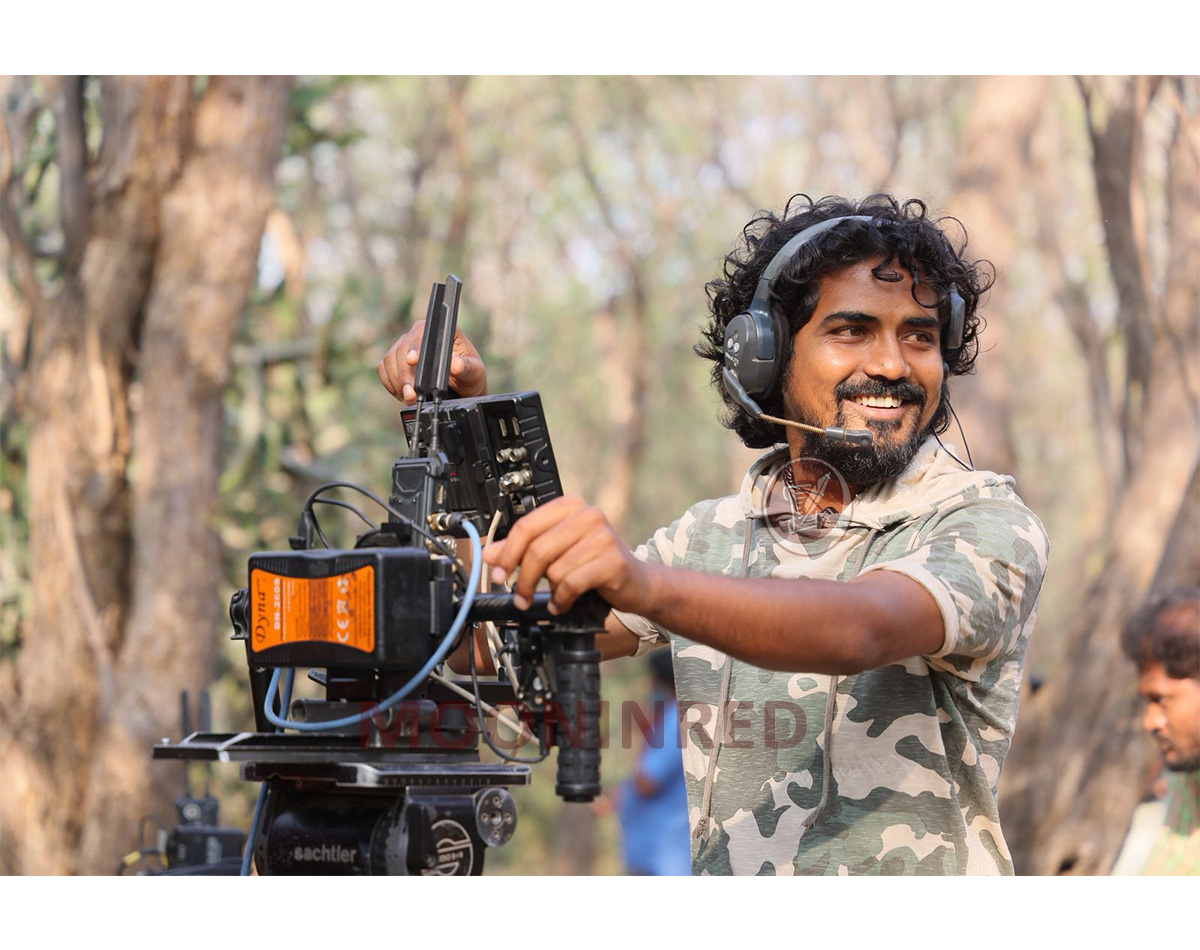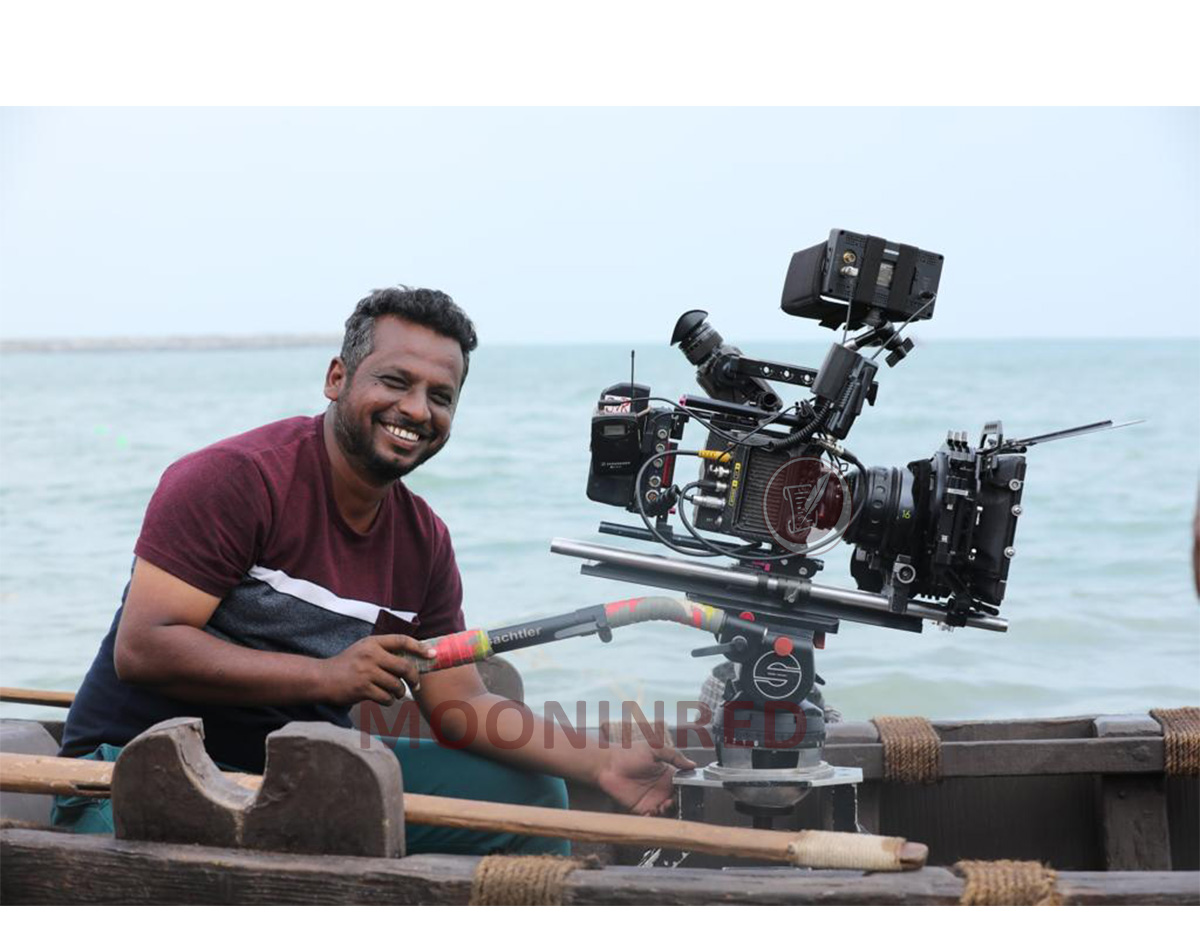
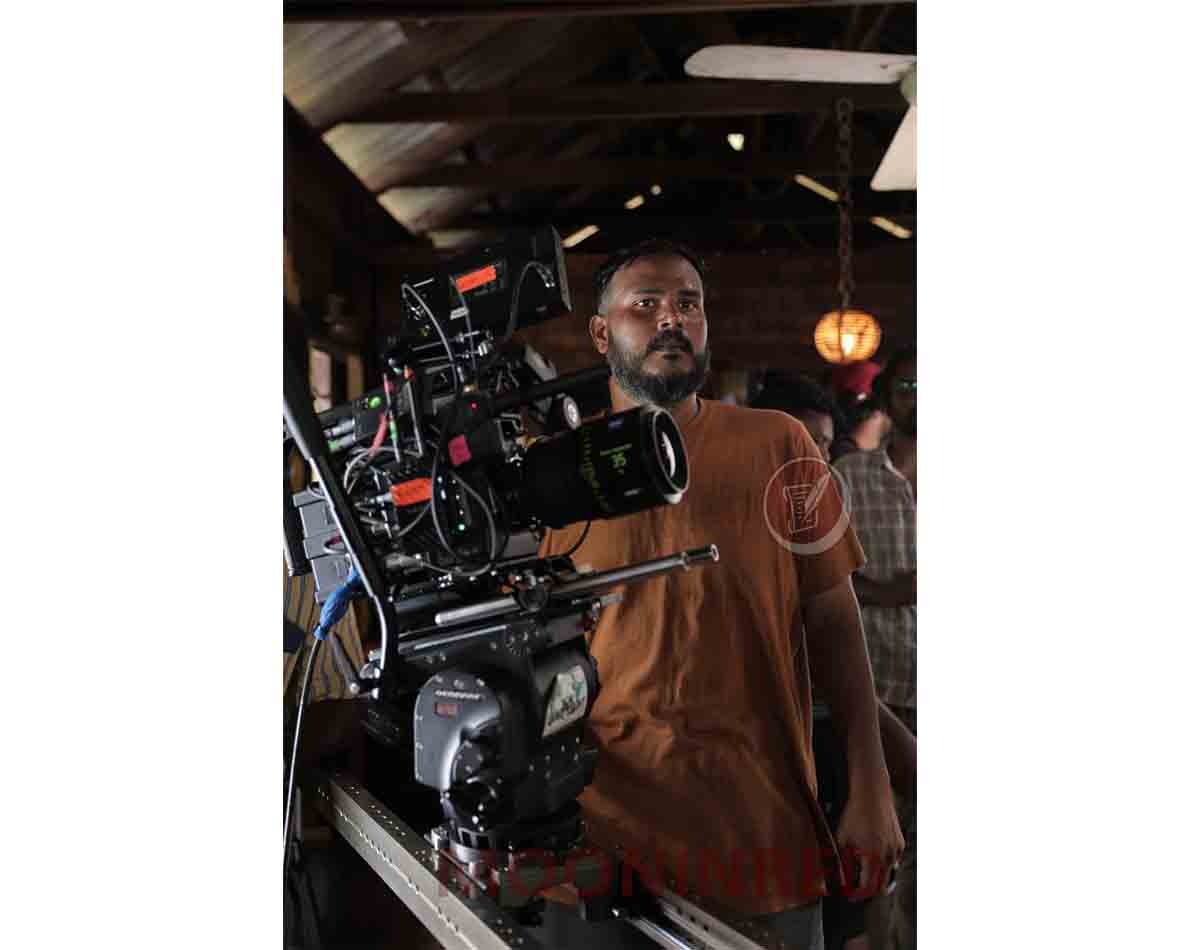
Shreyaas Krishna: Framing Stories Through Light, Lens and Belief
Born in Karaikudi, Shreyaas Krishna’s journey into cinema did not begin with a clear roadmap or instant acceptance. His childhood was shaped by constant movement living in Kanchipuram, studying in Chennai, moving back again and finally settling into a life that would slowly but surely pull him toward the world behind the camera. These shifts, though seemingly ordinary, played a crucial role in shaping his visual sensitivity and adaptability traits that would later define him as one of the most distinctive cinematographers of this generation.
Cinema entered his life early. Weekends meant movies, thanks largely to his grandfather, who would take him to theatres regularly. Those dark halls, flickering screens, and larger-than-life visuals planted seeds long before Shreyaas realized their significance. As years passed, watching films became more than entertainment it became an obsession. Not just the stories but how they were told fascinated him. The framing, the lighting, the mood behind each shot slowly began to matter more than the actors on screen.
Initially, like many from traditional backgrounds, Shreyaas pursued engineering, enrolling at a college in Guindy. However, by his third year, clarity struck. Engineering was not his calling. While others focused on textbooks, Shreyaas found himself drawn deeper into films and especially into the behind-the-scenes craft. He believed that if he had to belong to cinema, it would be from the technical side where visuals breathe life into narratives. His natural ease with handling cameras reinforced that belief.
Convincing his parents, however, was not easy. Coming from a traditional family, cinema was not an immediately acceptable career choice. The uncertainty worried them. But Shreyaas did not rush. He chose preparation over rebellion. He began analysing films seriously, spending hours in libraries, studying visual language and understanding cinematography as both art and discipline. His first shoots were humble with a friend’s digital camera, experimenting, learning, failing, and improving.
What followed was a turning point. Some of the photographs he shot gained attention and were published in magazines, even appearing on a billboard, a rare achievement for someone still finding his footing. Encouraged, he invested in a cam , expanding his technical skillset. Around the same time, a friend suggested making a short film. That moment quietly marked the beginning of his professional journey. From there, Shreyaas moved into ad films, corporate videos, weddings and various freelance projects, each sharpening his understanding of light, movement, and storytelling.
After completing his degree, Shreyaas took a one-year break a phase he describes as a period of intense growth and exploration. Though he briefly took up a job in Bangalore at his parents’ insistence, it only confirmed what he already knew. The corporate path was not for him. He quit, choosing uncertainty over compromise.
That decision led to a defining collaboration. Along with close friends, Shreyaas met Deeraj, who was developing a unique project titled Jil Jung Juk. Pooling whatever money they had, the team created a pilot. Fate intervened when director Karthik Subbaraj watched it and loved it. He arranged a meeting with Siddharth, who was equally impressed. What followed was extraordinary: the film went into production, marking the debut of an entire crew, including Shreyaas. Jil Jung Juk (2016) stood out visually, announcing the arrival of a bold new cinematographer.
Following this, Shreyaas worked on Aval (2017), his first horror film. His rapport with Siddharth, strengthened during Jil Jung Juk, continued seamlessly. Along with director Milind Rau, who had also worked on the earlier film, Shreyaas shot a pilot for Aval and pitched it to Viacom, which was approved. The film showcased his ability to create tension through lighting and silence rather than excess.
His relationship with Karthik Subbaraj deepened over time. Shreyaas often credits him as someone who indirectly made Jil Jung Juk possible. Karthik attended screenings of Shreyaas’ films and later brought him on board for Jagame Thandhiram (2021). Their creative sync was evident, built on mutual trust and a shared visual sensibility. This understanding carried forward into Mahaan (2022), further solidifying their collaboration.
Another significant partnership emerged with director Arun Matheswaran. Shreyaas met Arun during a shoot, after which Arun narrated the script of Rocky (2021). Impressed by the raw intensity of the story, Shreyaas joined the project, delivering striking visuals that matched the film’s gritty tone.
A major milestone came with Sita Ramam (2022), a film now regarded as a modern classic. His entry into Telugu cinema happened organically. Composer Vishal Chandrasekhar, who had worked with Shreyaas on Jil Jung Juk, introduced his work to director Hanu Raghavapudi. Having admired Shreyaas’ visual style for years, Hanu brought him on board. The film’s poetic frames and emotional depth highlighted Shreyaas’ versatility across industries.
Throughout his journey, mentorship played a crucial role. Shreyaas often speaks with gratitude about Mr. Gopalakrishnan, who mentored and supported him, especially in understanding lighting. More than guidance, he offered belief, motivation and support that continues even today as both grow together.
When asked how he chooses scripts, Shreyaas is clear: the script comes first. Visuals, scale and collaborators matter, but without a strong narrative, he believes cinematography has no soul. This philosophy reflects in his carefully chosen projects.
Looking ahead, Shreyaas has two upcoming films. With Love, directed by Madhan, began from a long-standing familiarity that developed during Lover. The narration resonated deeply, compelling him to join the project. The second, Mysaa, directed by Rawindra Pulle, took shape after their association during Sita Ramam. Once again, it was the strength of the story that convinced him.
From a boy watching weekend movies with his grandfather to a cinematographer shaping contemporary Indian cinema, Shreyaas Krishna’s journey is one of patience, conviction and unwavering faith in storytelling.
Filmography:
Jil Jung Juk (2016)
Aval (2017)
Rocky (2021) and Jagame Thandhiram (2021)
Mahaan (2022) and Sita Ramam (2022)
Lover (2024)
Retro (2025)