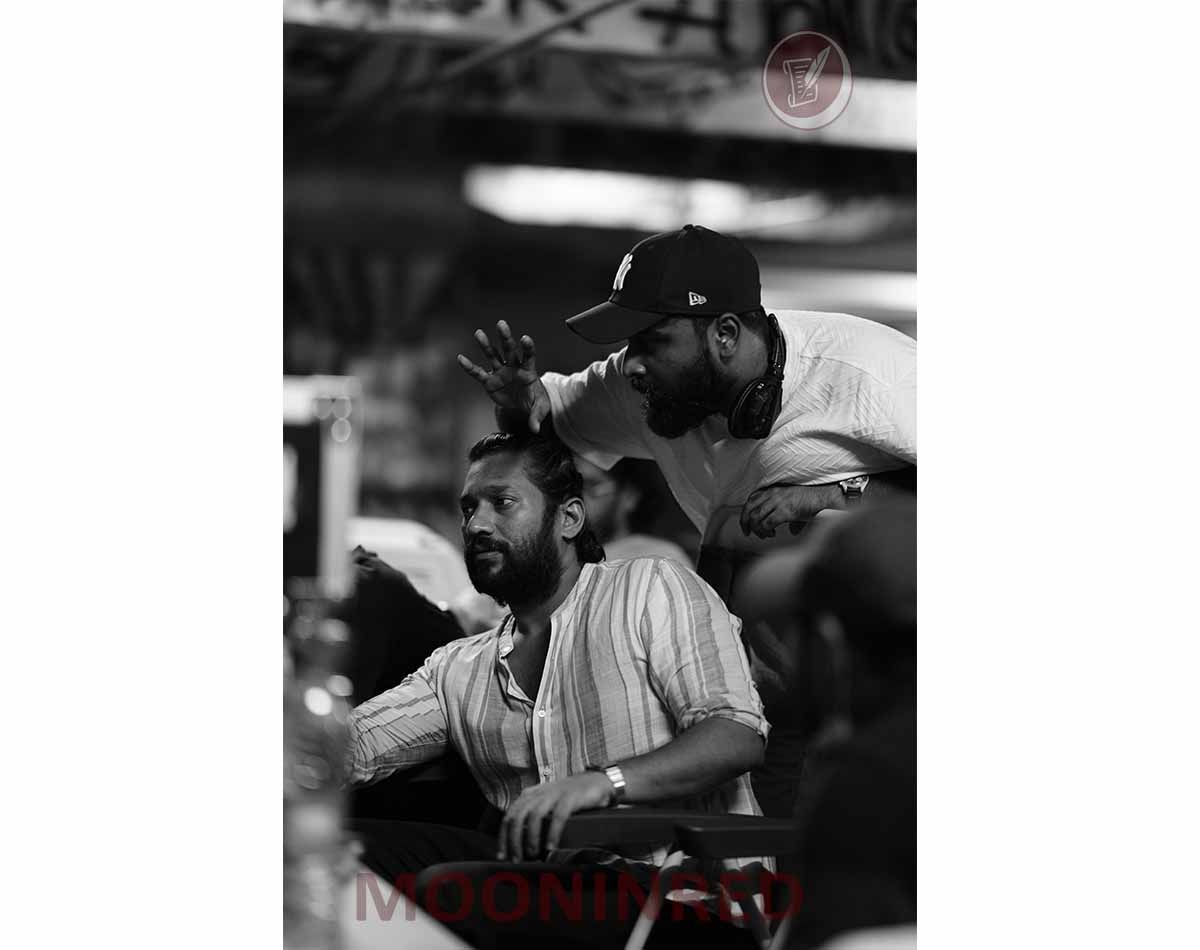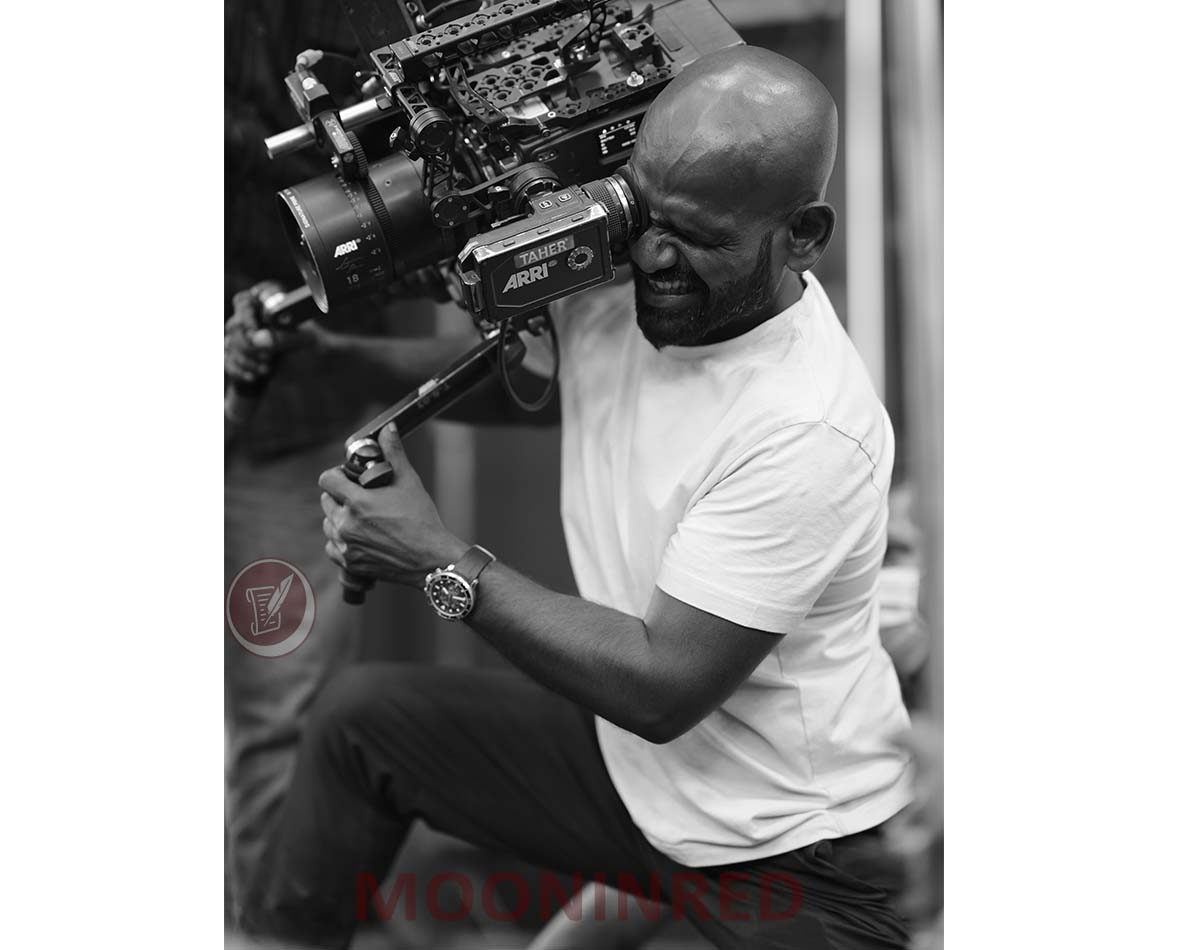
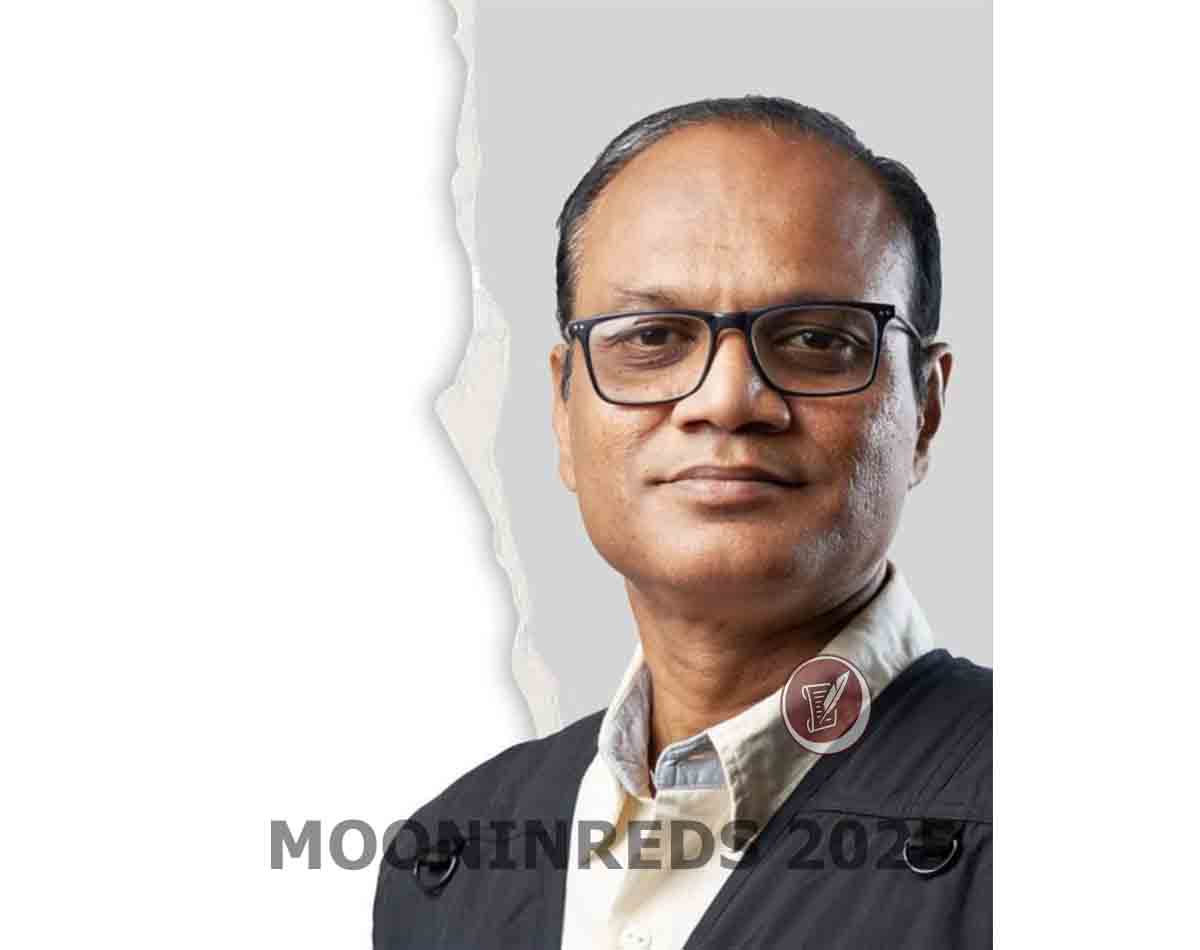
CJ Rajkumar – Cinematographer, Author & Dean of Cinema Factory Academy
In the world of Indian cinema, there are a few rare voices that combine artistry, scholarship, and vision for the future. CJ Rajkumar is one of them. A cinematographer, author, innovator, and now Dean of Cinema Factory Academy, his journey reflects both deep respect for cinematic tradition and an unflinching embrace of innovation.
From a Lens to a Lifelong Calling
Rajkumar’s journey began in Coimbatore during his student days at PSG College of Technology. What started as curiosity in the college photography club soon became a calling. For him, the camera was never just a mechanical tool. It was “a medium for emotion, rhythm, and storytelling,” a way to breathe life into every frame. That realization set him on a path into cinema.
Asked about his cinematic influences, Rajkumar recalls names that bridge cultures and generations. David Lean, with his mastery of epic storytelling, and Zhang Yimou, who paints with color and cultural identity, shaped his narrative sensibilities. Among cinematographers, he speaks of Chris Menges for his honesty with light, Balu Mahendra for his lyrical realism, and P. C. Sreeram for reinventing Indian visual language.
From closer to home in Asia, he reveres Sri Lanka’s Prasanna Vithanage — “a unique, subtle, and powerful voice who proves that Asian cinema has its own language beyond Western paradigms.”
Aayesshaa – The Short Film that Sparked a Movement
In 2001, Rajkumar’s short film Aayesshaa made waves at a time when the format was almost invisible in India. Boldly shot on film with vintage 1950s lenses, it created a distinctive soft, textured visual identity. The film went on to win awards and, more importantly, inspired a generation of young filmmakers to take short films seriously. His later works, including Periyar, Asthamanam, Panithuli, Ball Pen, and Sattam Oru Iruttarai, gave him opportunities to explore diverse genres, while his short A Mango Tree in the Front Yard reached international audiences at the 59th Berlin International Film Festival.
Authoring Cinematic Knowledge
Beyond the camera, Rajkumar has become one of Indian cinema’s most prolific authors. With 13 books — nine in Tamil and four in English — his writing has filled a crucial gap in film education. His Asaiyum Padam remains the first Tamil book on cinematography, while Pixel has found a place in film school syllabus, including that of Balu Mahendra’s.
His latest work, Moving Shots, focuses exclusively on camera movement — the first of its kind. “Camera movement is not decoration,” he emphasizes. “It is psychology in motion. A slow track-in can draw us into a character’s soul, while a handheld shot can create raw tension.” The book has been warmly endorsed by stalwarts like P. C. Sreeram and Santosh Sivan, testimony to its impact.
Cinema Factory Academy – Tradition Meets Innovation
Today, as Dean of Cinema Factory Academy in Chennai, Rajkumar is shaping the next generation of filmmakers. The institute is India’s first AI-integrated film school, complete with state-of-the-art facilities — dubbing studios, green matte floors, Unreal Engine training labs, and global-standard equipment.
What makes CFA distinct, Rajkumar insists, is its vision. “We want to give students not just technical training but a global cinematic outlook.” A large part of this comes from the passion of Managing Director Rajesh Ravindran, whose vision has taken students abroad to virtual studios in Bangkok, giving them first hand exposure to international workflows.
With mentors like Madhu Ambat, Manoj Paramahamsa, Nasser, Raja Muhamed, and R. Prasanna Venkatesh, CFA brings together some of the most influential voices in Indian cinema. Students here not only learn the craft but also gain training in leadership, discipline, and professional readiness.
On Virtual Production, OTT, and AI
Rajkumar is vocal about the transformations sweeping cinema. Virtual Production, he believes, is already redefining filmmaking in India thanks to pioneers like Manoj Paramahamsa. With LED walls, real-time rendering, and camera tracking, filmmakers now have limitless creative control within studios.
On OTT platforms, he sees only opportunity. “OTT has democratized storytelling,” he says. “Stories that may never reach theatres are now reaching global audiences. The challenge is that audiences expect higher quality than ever before.”
And what about AI? At CFA, Rajkumar has integrated AI tools for storyboarding, editing, and previsualization. Yet he is clear: “Cinema is about emotion and vision. AI cannot replace the human storyteller. It is a tool — the soul of cinema will always remain human.”
Timeless Advice for Young Filmmakers
Looking back at his own journey, Rajkumar’s advice to aspiring cinematographers is simple but profound: “Master your basics — lighting, lenses, composition. Technology will keep changing, but your foundation will remain. Be disciplined, keep experimenting, and most importantly, find your own visual voice. Cinema is not about following trends; it’s about creating timeless images that move people.”
For Rajkumar, the future of cinematography is exciting. He sees two forces at play: the merging of technology and creativity through AI, Virtual Production, and immersive formats; and the rise of strong new voices from Asia, filmmakers who tell culturally rooted stories with universal resonance.
As a cinematographer, author, and educator, CJ Rajkumar’s legacy is already layered. But perhaps his greatest contribution lies not only in the images he has created but in the voices he is nurturing — the students who will carry forward the craft, discipline, and imagination he has lived by.